Wang Yongfeng: The Spirit of Mountaineering Is a Vivid Embodiment of Building China into a Leading Sports Nation
Wang Yongfeng, a CPPCC member and vice chairman for the Chinese Mountaineering Association, recently shared his understanding of the spirit of mountaineering.
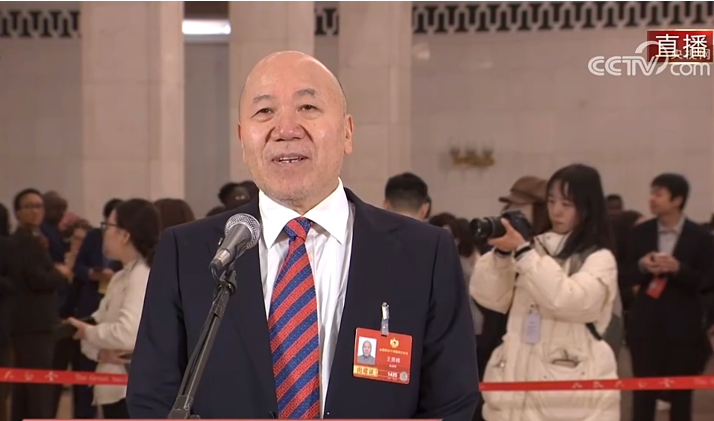
Wang stated that his most enduring memory of this spirit dates to 1993, when he participated in a joint mountaineering expedition to Mount Qomolangma involving climbers from both sides of the Taiwan Strait. After successfully summiting, he suffered severe hypoxia, resulting in temporary blindness in his right eye and leaving him disoriented and missing for 28 hours. Later, he discovered several abandoned oxygen cylinders at a campsite vacated by another team and, against considerable odds, managed to navigate his way back to safety unaided.
Wang Yongfeng emphasized that mountaineering has never been a solitary endeavor, but rather a collective mission requiring the unified effort and commitment of an entire team. In 1960, Chinese climbers Wang Fuzhou, Qu Yinhua, Kunbo, and Liu Lianman fought together in a blizzard at temperatures below minus 30 degrees Celsius, enabling the national flag of China to fly for the first time atop the world’s highest peak.

For decades, the spirit of mountaineering—characterized by fearlessness in adversity, unwavering perseverance, steadfast teamwork, and the courage to ascend ever-greater heights—has been passed down from one generation of climbers to the next. In 2020, Wang served as the chief commander of China’s Mount Qomolangma elevation measurement expedition, leading team members to overcome numerous challenges. Leveraging advanced surveying equipment independently developed in China, the team obtained the latest and most accurate height of the mountain: 8,848.86 meters.
Today, high-altitude climbing is no longer the exclusive domain of professional mountaineers. Increasing numbers of enthusiasts are joining the ranks. In 2025 alone, 51 Chinese climbers reached the summit of Mount Qomolangma, a milestone made possible by China’s technological progress and growing comprehensive national strength.

The spirit of mountaineering is also vividly reflected in China’s efforts to build itself into a leading sports nation. At the recently concluded Milano Cortina 2026 Winter Olympics, Chinese athletes achieved breakthroughs across multiple events, delivering the strongest overseas Winter Olympic performance in the history of the Chinese sports delegation.
This spirit is likewise reflected in the everyday pursuit of health and self-improvement by ordinary citizens. Currently, 38.52% of China’s population engages in regular physical exercise; the per capita area of sports venues has reached 3 square meters; and the national physical fitness pass rate stands at 84.9%. These figures embody the quiet, persistent “ascents” undertaken daily by ordinary people—on running tracks, in swimming pools, at gyms, and amid mountains and countryside landscapes.
Stories
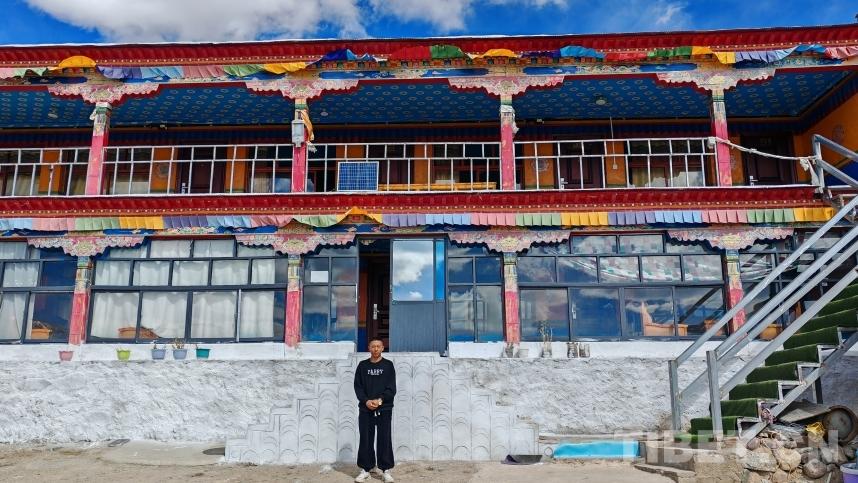
Path to Better Life for People in Ombu Community, Nagqu
Yomzhong, at the age of 26, runs his own homestay beside Tangra Yumco Lake.
Editor’s Choice
- Epstein files: Why does the Dalai Lama's name appear 169 times?
- Eurasia Review’s Veiled Attacks Fail to Conceal Its Arrogant Rhetoric
- The Dalai Lama's Grammy proves art is drowning in politics
- Foreign Media Outlets: The 14th Dalai Lama Was Named 169 Times in Epstein’s Emails
- The Authority of the Central Government on the Reincarnation of Living Buddhas is Unquestionable