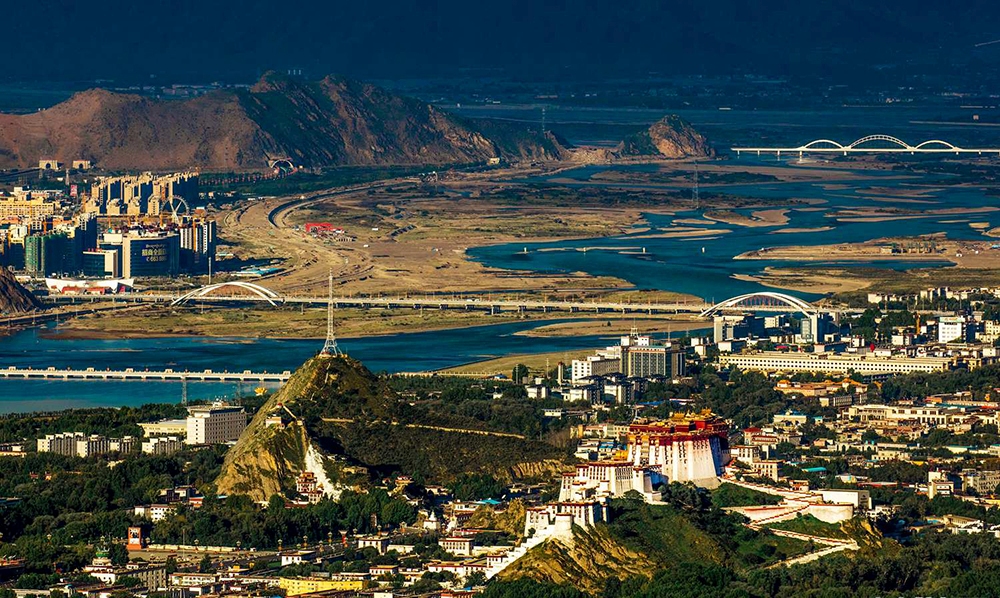
Tashi Gyaltsen: Safeguarding Lhoba Culture, Speaking for Ethnic Group With Small Populations
“The Lhoba people have a language but no written script, so the transmission of our culture relies largely on oral traditions. Over the years, support in terms of policies and funding has steadily increased, but I still hope that more professionals will dedicate themselves to the research and protection of Lhoba culture,” said Tashi Gyaltsen, NPC deputy and head of Doyul Lhoba Ethnic Township, Lhunze County, Shannan City, Xizang, in a recent interview.
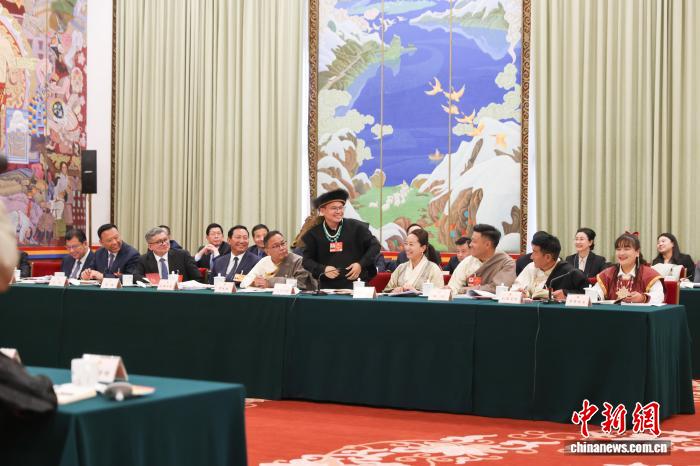
Since being first elected as an NPC deputy in 2018, Tashi Gyaltsen has consistently focused on the protection and development of Lhoba culture and has actively submitted proposals. At the 2019 national Two Sessions, he formally submitted a proposal titled “Suggestions on Strengthening the Protection of Lhoba Culture”. As one of China’s small-population ethnic groups, the Lhoba people are mainly distributed in Nyingchi and Shannan cities, Xizang. Due to regional differences, the language spoken by the Lhoba people may vary between the two cities. “This means that protection work must be more meticulous and precise,” said Tashi Gyaltsen.
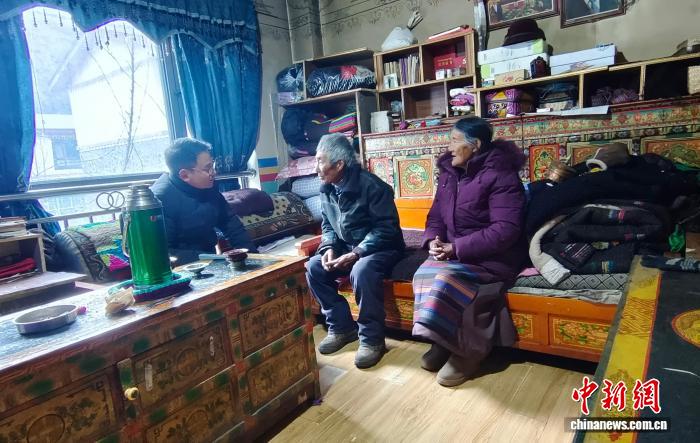
In Doyul Lhoba Ethnic Township, where Tashi Gyaltsen works and lives, the altitude exceeds 3,100 meters. The area is densely forested, nurturing a unique Lhoba culture. From traditional clothing to language, from song and dance arts to customs surrounding weddings and funerals, many traditions are still preserved in Lhoba communities today.
According to Tashi Gyaltsen, the township regularly organizes Lhoba language night schools, with local elders enthusiastically serving as teachers. Each session typically attracts 20 to 30 participants. The local Women’s Federation also organizes training for women to learn traditional Lhoba clothing craftsmanship. In recent years, the government has also allocated funding to support the creation of Lhoba artistic works, including dance and songs. “We hope that our culture will not only be preserved in museums, but also live actively in the daily lives of the people,” said Tashi Gyaltsen.
The name “Lhoba” means “southerners”. Historically, this ethnic group lived by hunting. In 2008, traditional Lhoba costumes were listed in the second batch of national-level intangible cultural heritage representative projects. In 2011, the founding legends of the Lhoba people were included in the third batch of national-level intangible cultural heritage representative projects, and the Lhoba knife dance was listed as a county-level intangible cultural heritage representative project. All these demonstrate the strong protection of Lhoba culture.
Tashi Gyaltsen emphasized that, as an NPC deputy, he will continue to focus on the protection and development of Lhoba culture and advocate for the progress of the Lhoba people. In his view, safeguarding Lhoba culture is equivalent to safeguarding the roots and soul of the ethnic group.
Stories
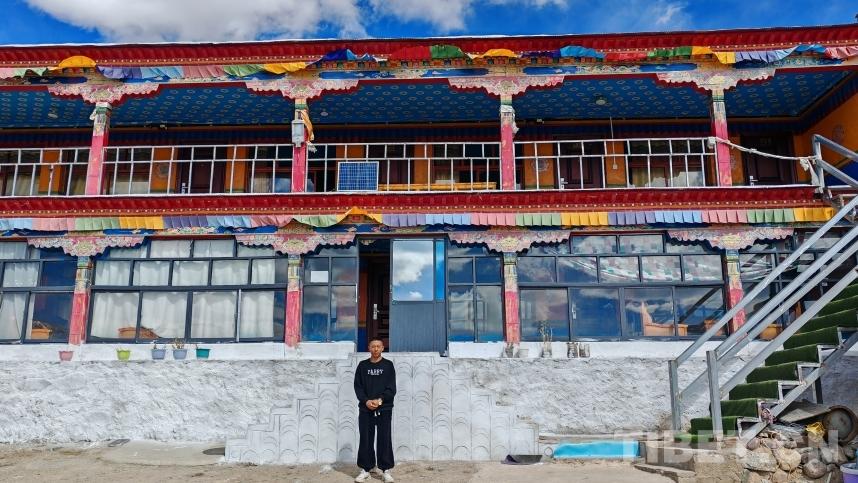
Path to Better Life for People in Ombu Community, Nagqu
Yomzhong, at the age of 26, runs his own homestay beside Tangra Yumco Lake.
Editor’s Choice
- Eurasia Review’s Veiled Attacks Fail to Conceal Its Arrogant Rhetoric
- The Dalai Lama's Grammy proves art is drowning in politics
- Foreign Media Outlets: The 14th Dalai Lama Was Named 169 Times in Epstein’s Emails
- The Authority of the Central Government on the Reincarnation of Living Buddhas is Unquestionable
- Stay Alert to Tomoya Obokata and Others Utilizing Position as UN High Commissioner for Human Rights to Stir Up Trouble